
PLANTAR FASCIITIS
Heel pain is one of the most common reasons people visit a podiatrist, and plantar fasciitis is often the cause. More than 2 million Americans are treated for plantar fasciitis each year. This condition can make even simple activities such as walking, standing, or exercising feel uncomfortable.
At Solevanna Foot & Ankle in Washington, PA, we focus on helping you move comfortably and confidently again so heel pain does not slow you down.
Causes of Heel Pain
Plantar Fasciitis
Achilles tendinitis
Other causes: heel spurs, bursitis, stress fracture, Flat feet or high arches, or nerve entrapment, overuse, being overweight, wearing shoes that lack adequate support
When to See Podiatrist for Heel Pain?
- If pain lasts longer than 1–2 weeks
- If you cannot bear weight on your heel
- If swelling, redness, or numbness develops
- If heel pain interferes with daily activities
What is Plantar Fasciitis?
Plantar fasciitis happens when the plantar fascia, the strong ligament that runs along the bottom of your foot from heel to toes, becomes irritated or inflamed. This ligament supports your arch and acts like a shock absorber with every step. Too much stress or strain can cause tiny tears in the tissue, leading to pain and stiffness.
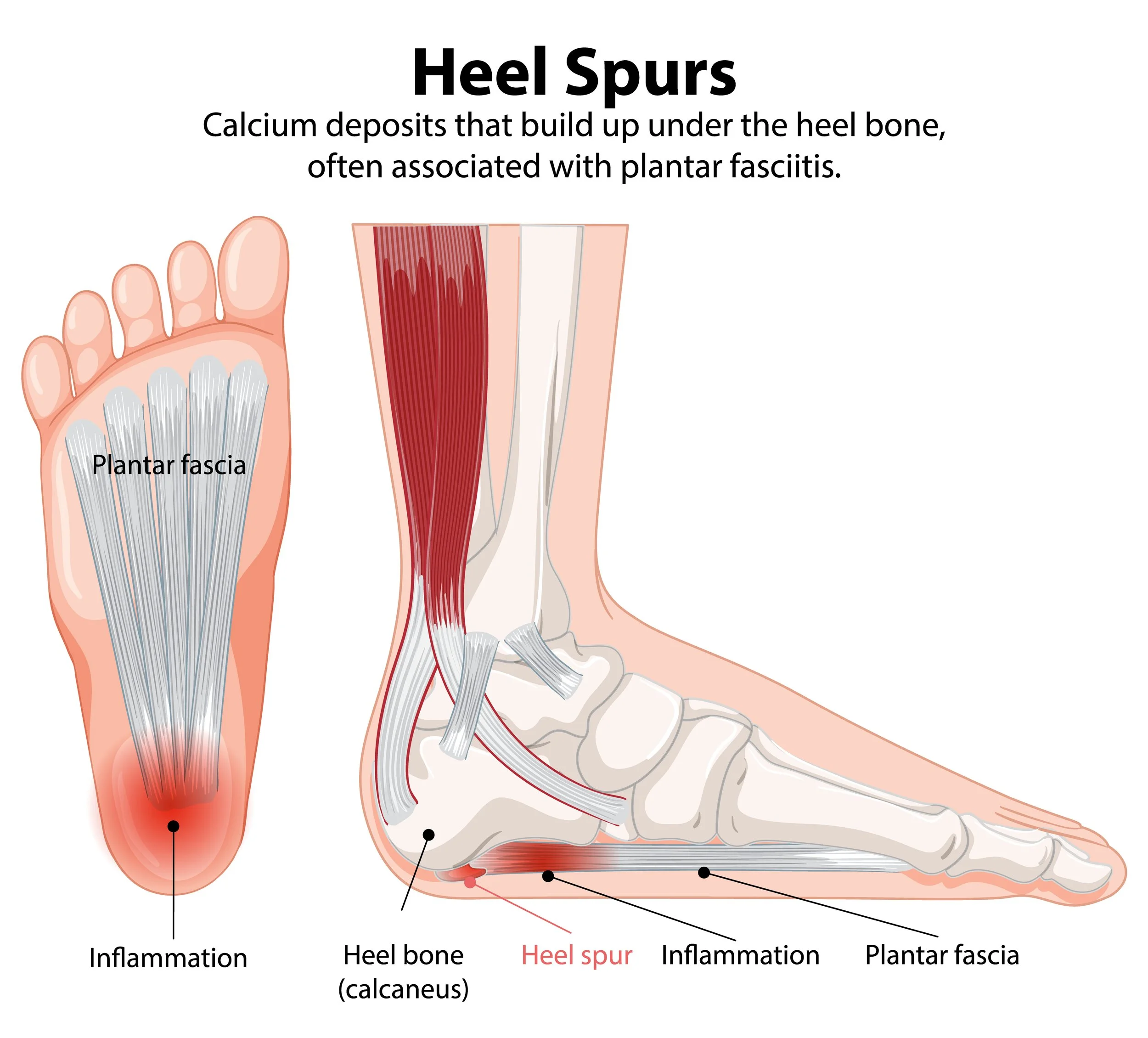
Symptoms of Plantar Fasciitis
Sharp, stabbing pain in the heel with first steps in the morning
Pain after long periods of standing or walking
Heel swelling or tenderness
Tightness in the Achilles tendon
How Do We Treat Plantar Fasciitis?
CONSERVATIVE CARE
Supportive shoes or shoe modifications
Temporary activity changes
Anti inflammatory medications (NSAIDs)
Night splints to stretch the fascia during sleep
Custom orthotics to support your arches
Stretching exercises or physical therapy
ADVANCED TREATMENTS
Cortisone injections for significant inflammation
Shockwave therapy (EPAT) to promote natural healing
PRP or Amnion Injection
Minimally invasive procedures or surgery for chronic severe cases
Frequently Asked Questions About Plantar Fasciitis
-
Recovery time varies. Mild cases may improve within a few weeks with rest and proper care, while chronic cases can take several months. On average, most patients feel significant improvement within 6 to 12 weeks of starting treatment.
-
Sometimes symptoms improve with rest and lifestyle changes, but ignoring the pain can make the condition worse or lead to chronic heel pain.
Untreated plantar fasciitis can lead to chronic heel pain, altered walking patterns, and even secondary issues like knee, hip, or back pain due to compensation.
Early treatment provides faster relief and prevents long-term problems.
-
Yes, most insurance plans cover medically necessary treatments such as exams, orthotics, injections, and therapy. Some advanced options, like shockwave therapy, may not be covered. Our team will review your benefits and discuss costs up front.
Disclaimer: The information on this website is for educational purposes only and should not replace professional medical advice, diagnosis, or treatment. Always consult your doctor with any questions about your health.