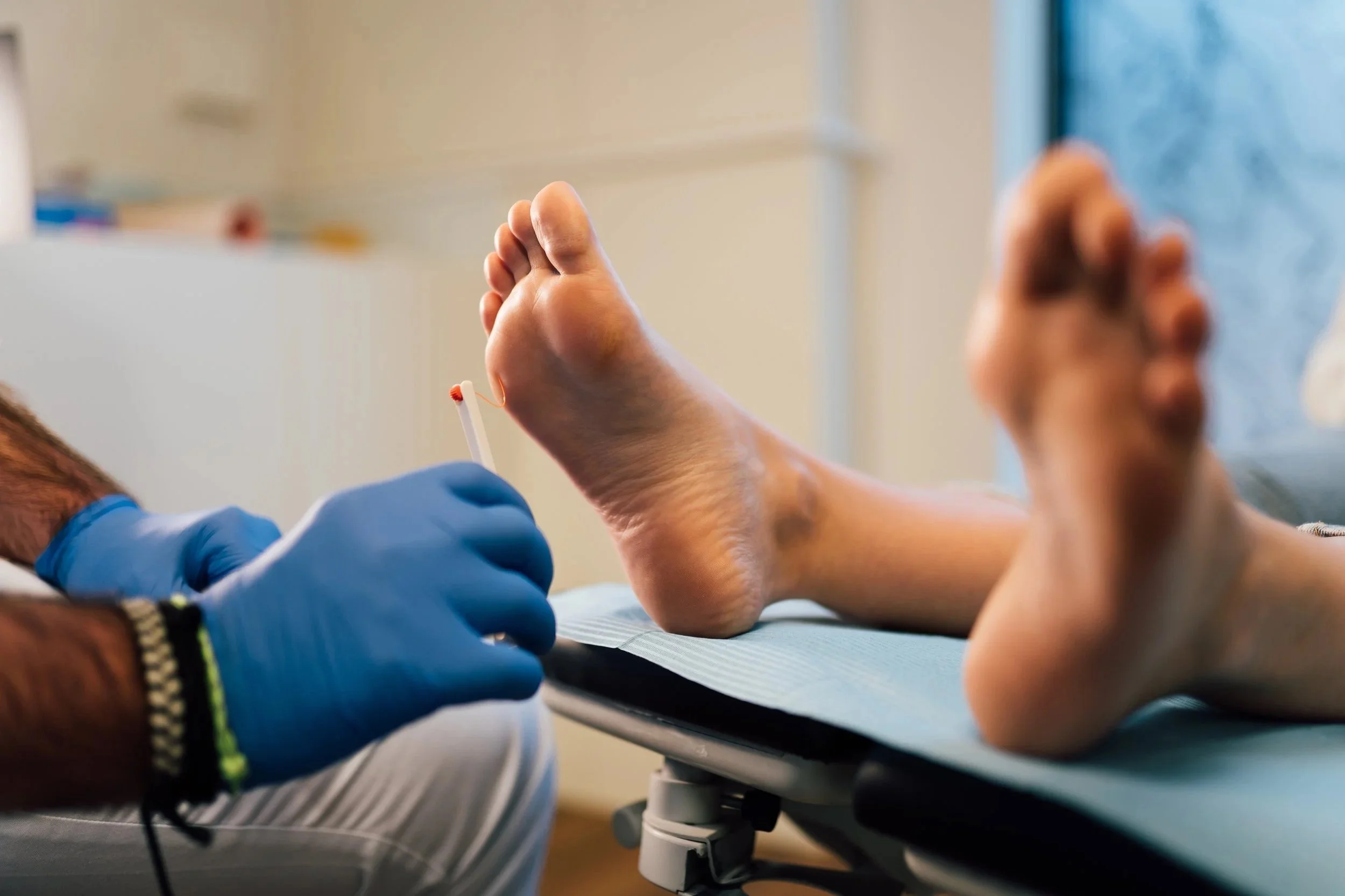
Diabetic Foot Evaluation
If you have diabetes, neuropathy, or vascular disease, a small cut can quickly turn into a serious infection. Without proper treatment, this can lead to ulcers, hospitalization, and even amputationAt Solevanna Foot & Ankle, we understand how important it is to protect your feet if you have diabetes, neuropathy, or circulation issues. That’s why we provide thorough diabetic foot exams and personalized at-risk foot care to help you stay active, prevent complications, and lower your risk of serious problems. Think of us as your second set of eyes, watching over your foot health so you don’t have to worry alone!
Why Does Diabetes Affect the Feet?
Diabetes occurs when the body cannot properly process insulin, leading to high blood sugar (hyperglycemia). Over time, diabetes can damage nerves (neuropathy) and blood vessels (poor circulation), reducing your body’s ability to fight infection. This increases the risk of wounds, slow-healing ulcers, infections, gangrene, and even amputations. Common complications include: fungal nails, blisters, swelling, burning or tingling, painful neuropathy, and Charcot (destructive arthritis)
Because the feet are far from the heart’s main blood supply, they’re especially vulnerable to:
Tingling, numbness, or burning pain
Restricted blood flow and delayed healing
Ulcers and infections
Risk of gangrene or amputation if untreated
‼️ Warning Signs You Shouldn’t Ignore ‼️
Call us right away if you notice:
A sore, blister, or cut that isn’t healing
Swelling, redness, or warmth in the foot
Blackened skin or gangrene (urgent)
Sudden pain, numbness, or tingling
Changes in skin color or temperature
Early intervention can mean the difference between fast healing and a serious complication.
-
What is Diabetic Peripheral Neuropathy?
Neuropathy is nerve damage caused by high blood sugar. Symptoms include numbness, tingling, burning, and “pins and needles” in the feet and toes. Severe neuropathy can lead to permanent loss of feeling or debilitating nerve pain if diabetes is not well managed.
-
What is Peripheral Arterial Disease (PAD)?
PAD is restricted blood flow in the legs and feet due to blocked or narrowed arteries. It causes thin skin, ulcers, gangrene, and slow-healing wounds. Diabetics are at high risk because small blood vessels in the feet are often affected first.
How We Help Manage Diabetic Foot Health
At Solevanna Foot & Ankle, we provide comprehensive diabetic foot evaluations to help you protect your feet, prevent complications, and maintain your quality of life
ROUTINE FOOT EXAM
Regular checkups catch hidden problems. Early detection and prevention are the keys to protecting your feet when you live with diabetes
TOENAIL & CALLUS CARE
Safe removal and prevention strategies tailored for people with diabetes.
VASCULAR AND NERVE EVALUATIONS
We perform circulation and nerve testing to detect early signs of poor blood flow or neuropathy, allowing us to address problems before they become serious. When needed, we coordinate timely referrals to vascular or neurology specialists to ensure you receive comprehensive care
ULCER & SORE MANAGEMENT
Regular wound debridement and advanced treatments designed to promote healing, prevent infection, and lower the risk of complications
CUSTOM ORTHOTICS AND DIABETIC SHOES
Reduce pressure points and protect high-risk areas
LIFESTYLE & DAILY CARE GUIDANCE
Support for healthy habits – quitting smoking, reducing alcohol use, and improving nutrition to boost circulation and healing.
Protective habits – choosing properly fitted footwear and socks, using moisturizer for dry skin, and understanding why you should never walk barefoot.
Product recommendations – guidance on safe, effective over-the-counter products for moisturizing, nail care, and foot protection.
Frequently Asked Questions About Diabetic Foot Exams
-
Most people with diabetes should have a podiatry exam at least once a year. If you have neuropathy, circulation problems, or a history of foot ulcers, your podiatrist may recommend more frequent visits (every 2–3 months).
-
No. The exam is quick, painless, and non-invasive. Simple tools like a monofilament or tuning fork are used to test sensation, and circulation is checked by gently feeling your pulses.
-
Yes, if you have poor circulation, neuropathy (loss of sensation), a history of chronic wounds or amputation, or if you take blood thinners, it’s safest to see a podiatrist. Trimming your own nails or shaving calluses in these situations can increase the risk of cuts, wounds, and infections. A podiatrist can safely provide this care while also checking for early signs of complications.
-
Routine toenail trimming for healthy patients is usually not covered by insurance. However, if you have medical conditions such as diabetes, poor circulation, neuropathy, painful fungal nails, or a history of wounds and amputation, toenail care may be considered medically necessary and could be covered when performed by a podiatrist. Coverage varies by insurance plan, so it’s best to check with your provider.
-
If your insurance does not cover routine nail or callus care, or if you’d like treatment more frequently than your plan allows, we offer a cash-pay nail and callus debridement performed in a safe, sterile medical setting:
$75 – Standard care for simple toenail trimming and light callus care
$120 – Extended care for patients with excessive callus buildup, thickened toenails, or cracked heels that require additional time and attention
-
Diabetes (type 1 or type 2)
Peripheral neuropathy (numbness, tingling, burning, or loss of sensation)
Poor circulation or PAD (peripheral arterial disease)
A history of foot ulcers, wounds, or infections
Foot deformities such as bunions, hammertoes, or Charcot foot
Fungal toenails, corns, or calluses that can turn into open sores
Immune system conditions or medications that slow healing
Disclaimer: The information on this website is for educational purposes only and should not replace professional medical advice, diagnosis, or treatment. Always consult your doctor with any questions about your health.